EDUCATION
Living learning through urban agriculture
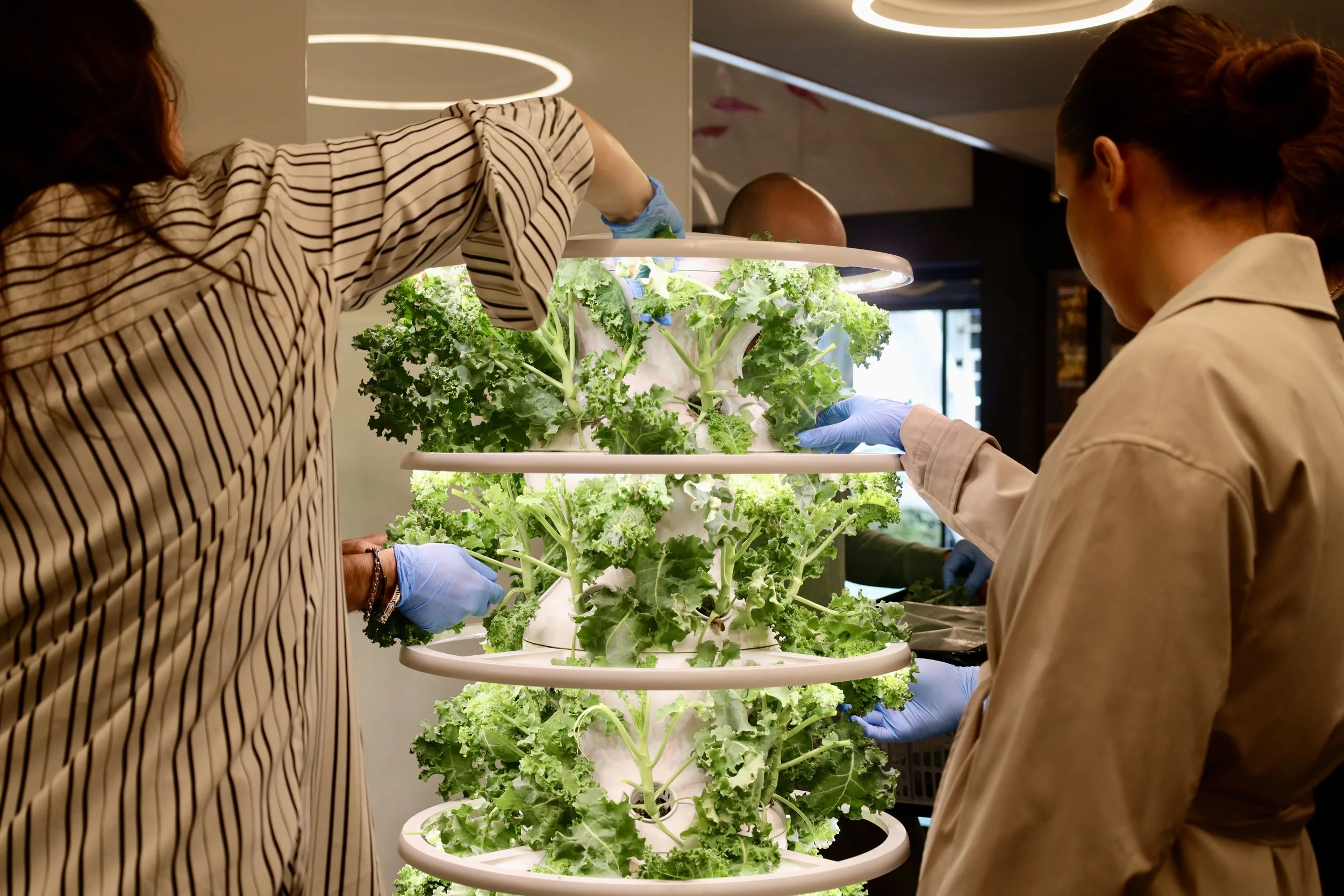
Sustainability is best learned when you can touch it
Students learn about health, science and the environment, but many times they do so from theory. An urban garden within the center converts these concepts into observation, data, responsibility and participation.
A living pedagogical resource within the center
The garden works as a transversal educational tool. It allows you to work on biology, chemistry, technology, mathematics, food and sustainability based on a real system that students can observe, measure and care for.
Practical learning
Students see how food grows, make decisions, and understand the growing process from experience.
STEM transversal
The same system can connect biology, pH, data, sensors, nutrition, technology and sustainability projects.
Educational community
The project can be communicated to families, teachers and students as a visible innovation, health and environmental initiative.

EDUCATIONAL IMPACT
From specific activity to measurable pedagogical resource
The value for the center is not only in having a garden. It is about converting it into a resource that generates learning, participation, communication and clear indicators for management, families and financing entities.
Improve the learning experience
The contents are no longer abstract. The students see, measure and understand the crop cycle directly.
Strengthens the educational proposal
A visible initiative to communicate innovation, sustainability, health and commitment to practical learning.
Helps justify pilots and budget
The program can be accompanied by objectives, activities and indicators to present results to management, families, administrations or financiers.
Reduces friction for teachers
TheTerraceLab accompanies the system and support so that the center does not depend only on the technical availability of the teaching team.
Indicators that can be measured or reported
Number of participating students
Activities or sessions carried out
Integration in subjects or projects
Production and harvests
Teacher participation
Student perception of fresh food and sustainability
Cultivation as an educational service
The teacher does not have to become an agricultural technician. At En TerraceLab we provide the system, inputs, accompaniment and support so that the garden is integrated into the life of the center.
Space evaluation
System installation
Maintenance and support
Inputs for cultivation
Activations or workshops
Harvests with students
Support to communicate the project to families and the educational community
Impact reports or summaries when applicable
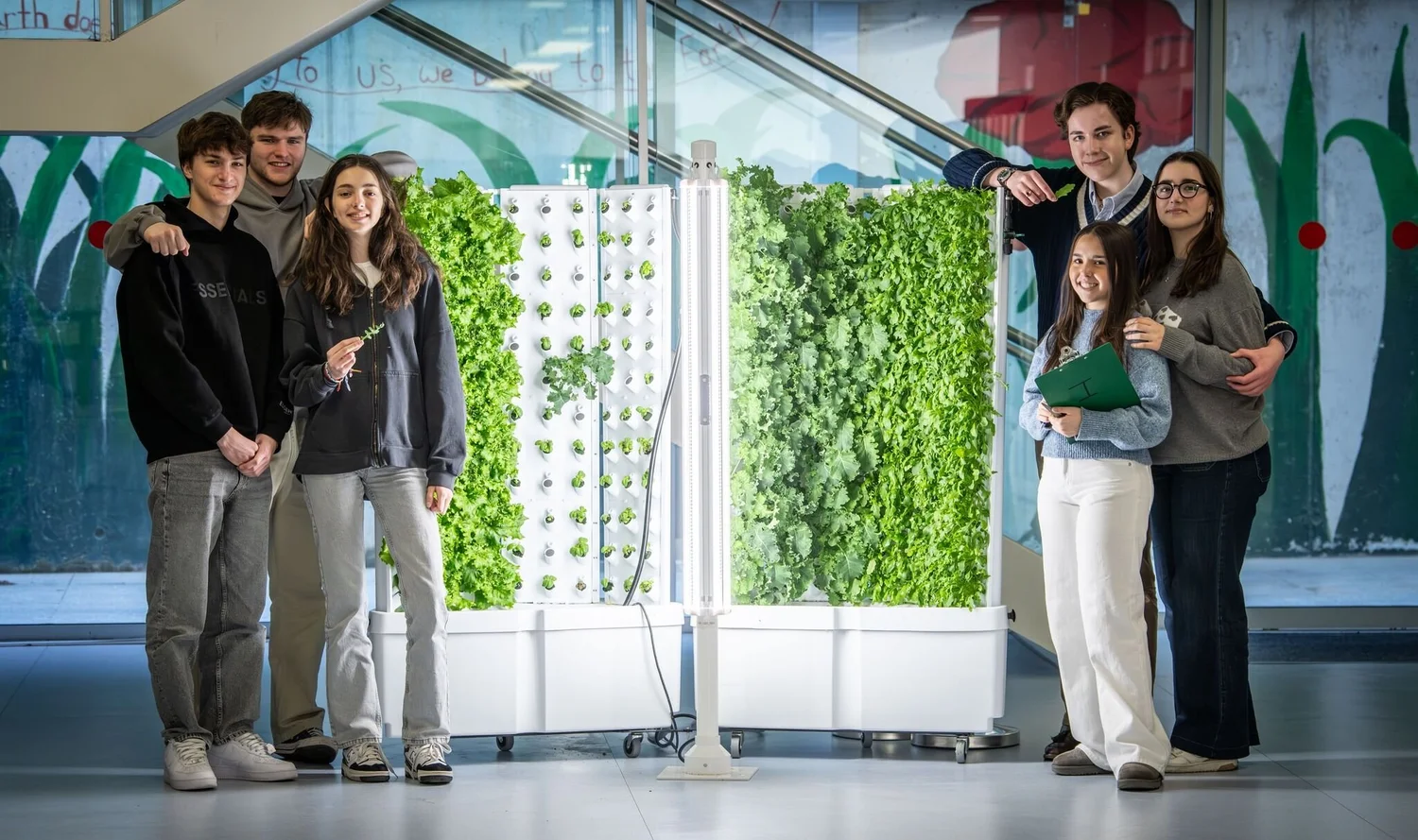
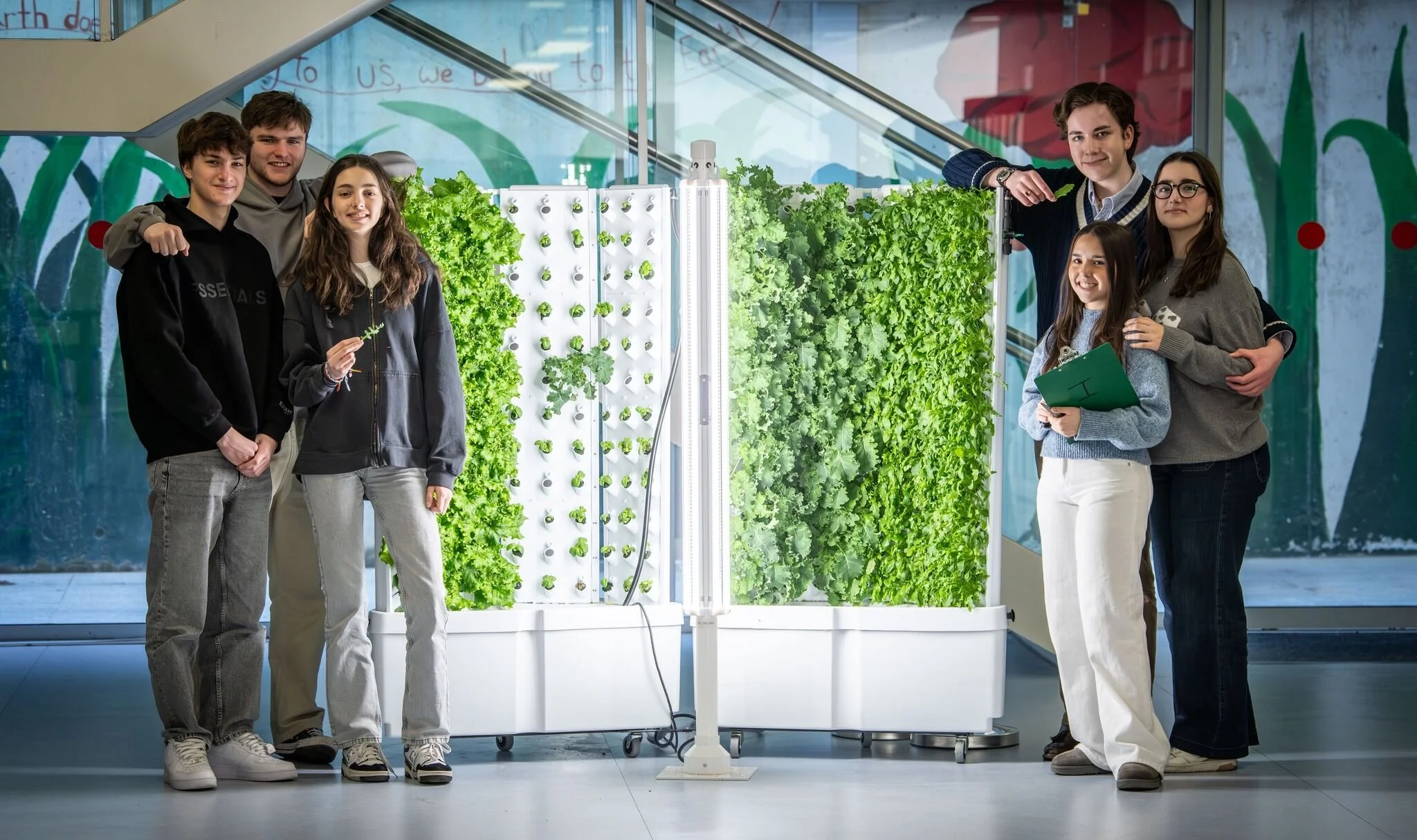
Learn by cultivating
Students who plant, care for and harvest. Science, sustainability and teamwork with our hands on the ground.
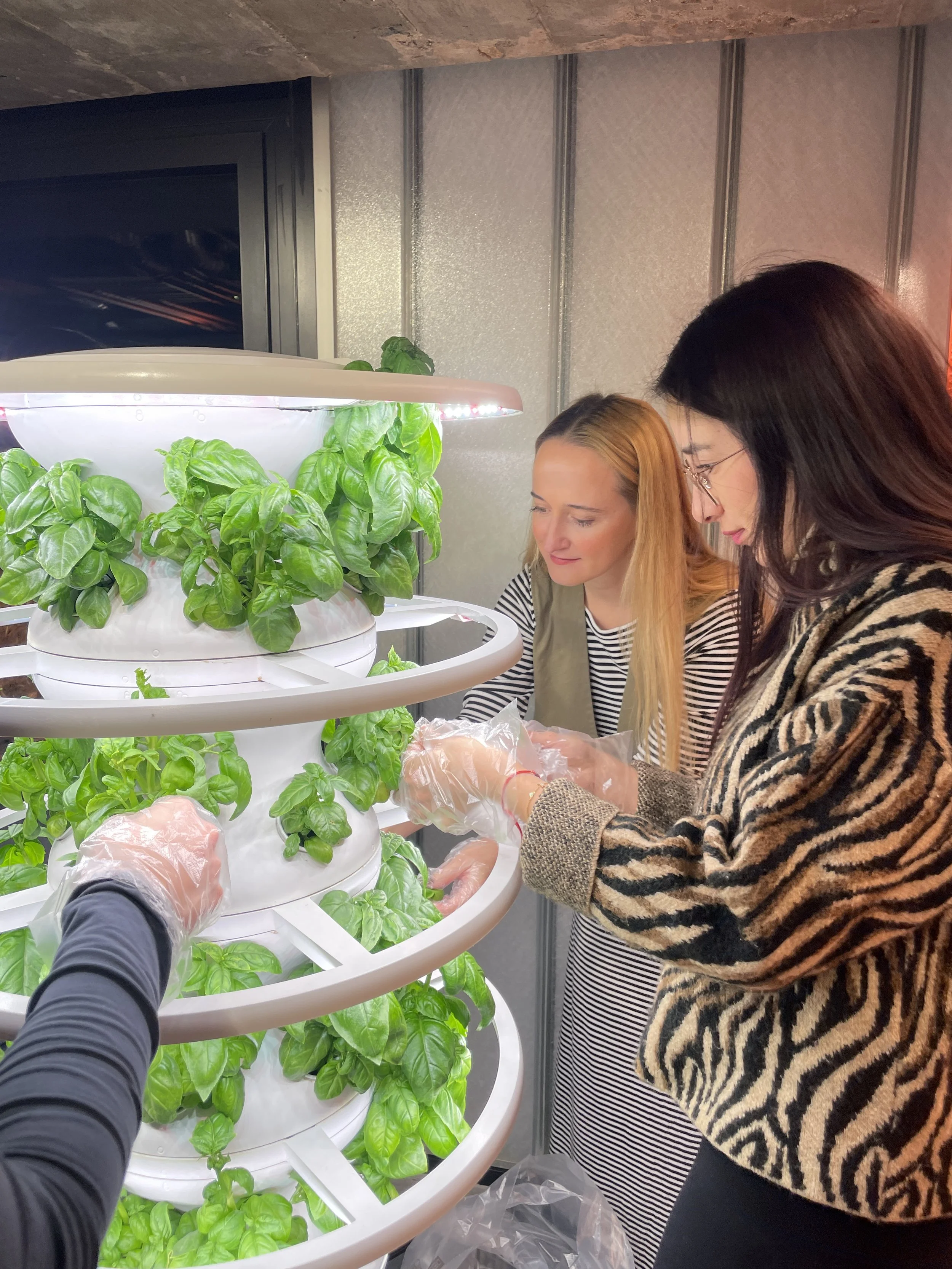
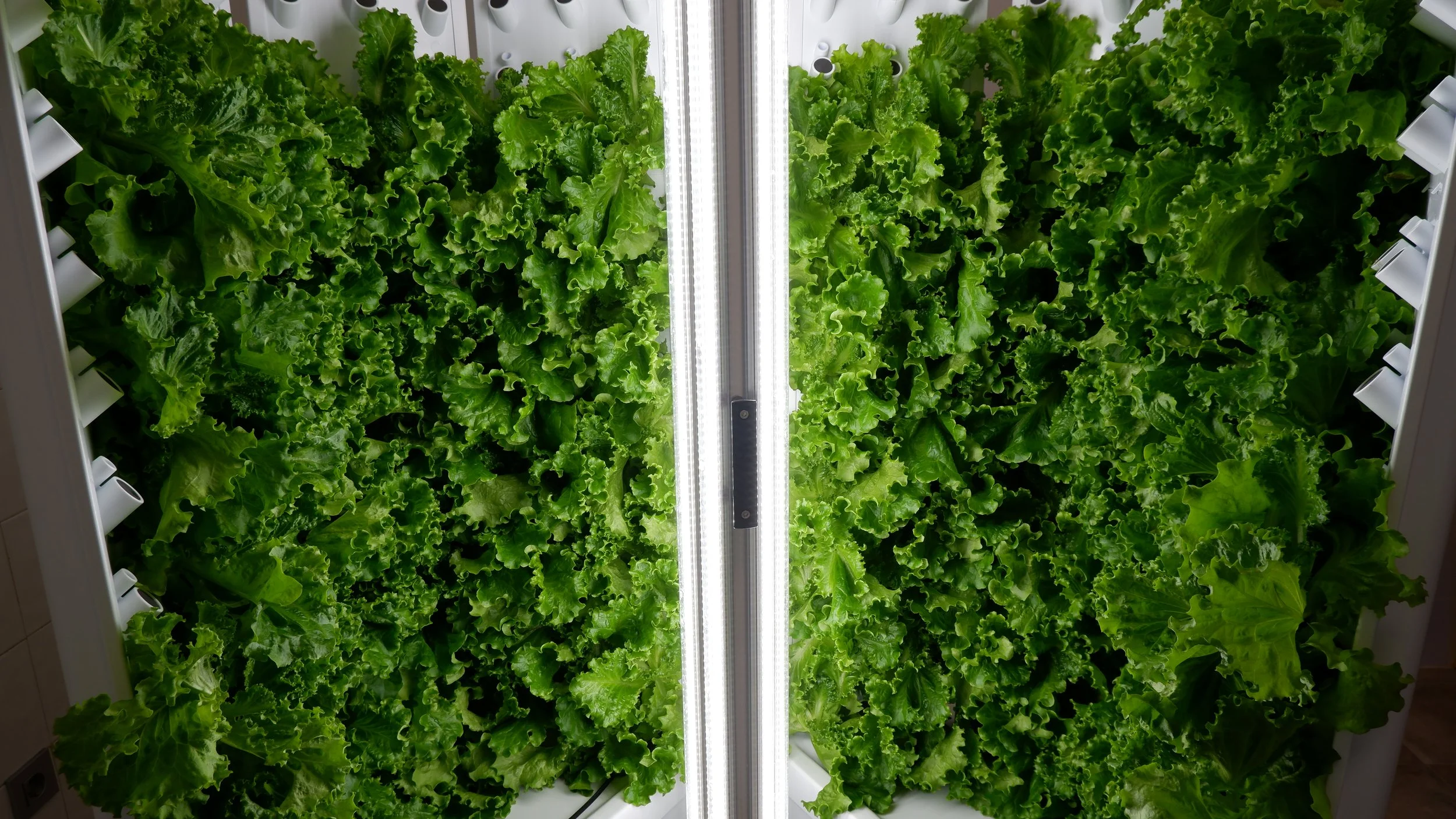
One system, many ways to learn
Science and biology
Photosynthesis, life cycles, plant nutrition, germination and controlled ecosystems.
Chemistry and data
pH, water quality, nutrients, measurement, comparisons and monitoring of results.
Technology
Sensors, automation, IoT, cycle programming and systems thinking.
Food and health
Fresh food, food literacy, habits, food waste and environmental responsibility.
Educational community
Activities that can involve students, teachers, families and partners of the center.
Sustainability projects
Practical initiatives to connect the center with real city, climate and food challenges.
FAQ
Questions that educational centers ask us
We don't have time to create a new subject?
Who maintains the system?
Is it suitable for different ages?
How do we justify the investment?