Education
School hydroponic garden: learning science and sustainability by growing
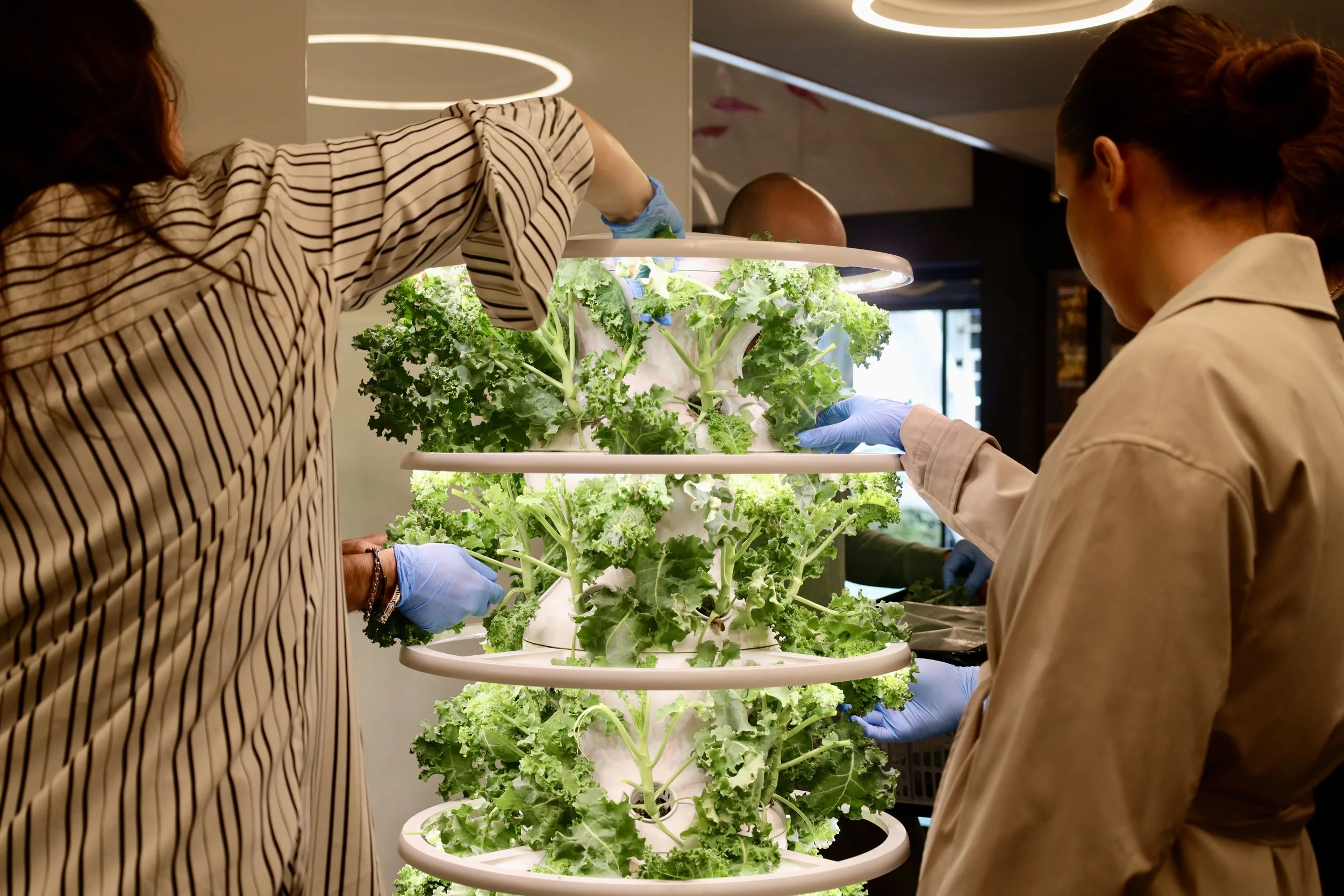
A school hydroponic garden transforms abstract concepts into an experience that can be touched, measured and shared. Germination, the water cycle, plant nutrition or the responsible use of resources cease to be topics of the book and become questions that arise in front of a real plant.
A living classroom inside the center
The garden can be installed in a common area, a laboratory, a library or a passageway. Its daily presence means that learning is not limited to a specific session. Students see changes, detect problems, formulate hypotheses and learn that biological processes need time and perseverance.
In addition, a vertical system takes up little space and can operate without an outdoor plot. This opens the door to urban centers that want to develop food and sustainability projects even if they do not have a cultivable yard.
Skills that are worked with a hydroponic garden
In science, roots, leaves, light, pH and nutrients are observed. In mathematics, measurements, growth rates and harvests are recorded. Technology includes the operation of pumps, timers and sensors. In language and communication, the process is documented, cultivation diaries are created and results are presented.
Learn to collaborate
Caring for the garden requires sharing responsibilities. One team checks the water, another observes the plants and another communicates what they have learned. This organization allows for autonomy, cooperation and care of a common good, with tasks adaptable to different ages and abilities.
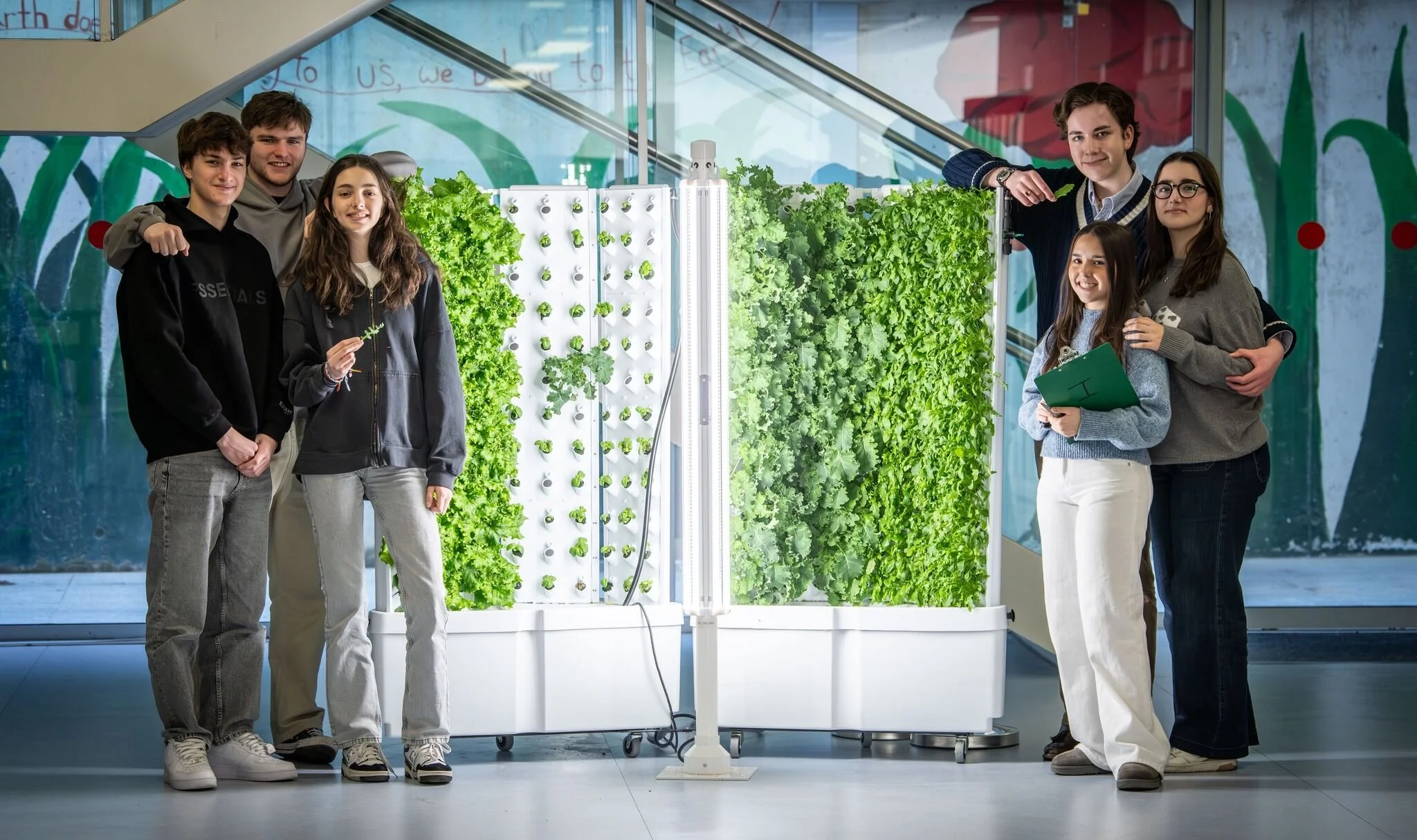
The students observe, measure and take care of a real crop within the educational center itself.
Activities for Primary and Secondary
In Primary, germination, plant identification, scientific drawing and visual recording activities work well. In Secondary School you can compare variables, analyze water conductivity, design experiments, calculate consumption or relate cultivation to urban food systems.
The same garden can accompany different courses if the calendar is planned by cycles. Planting, transplanting, maintenance and harvesting offer different learning moments and prevent the entire experience from being concentrated in a single day.
How to organize maintenance
For the project to be sustainable, it is important to define those responsible, review frequency and a simple protocol. Teachers should not be burdened with the entire operation. A system of shifts, short sheets and technical support allows students to participate without compromising the health of the crop.
What a good educational project should have
Installation is just the beginning. The project needs pedagogical objectives, understandable materials and activities related to the curriculum. It should also be accessible, safe and easy to clean. When these elements are resolved, the garden stops being decoration and becomes a recurring educational tool.
From seed to table
The harvest closes the cycle and gives meaning to the effort. Preparing a recipe, organizing a tasting or explaining the process to families connects science, food and community. The Terrace Lab accompanies the centers on this journey so that learning continues long after the equipment is installed.