Work spaces
Urban garden in the office: well-being, culture and everyday sustainability
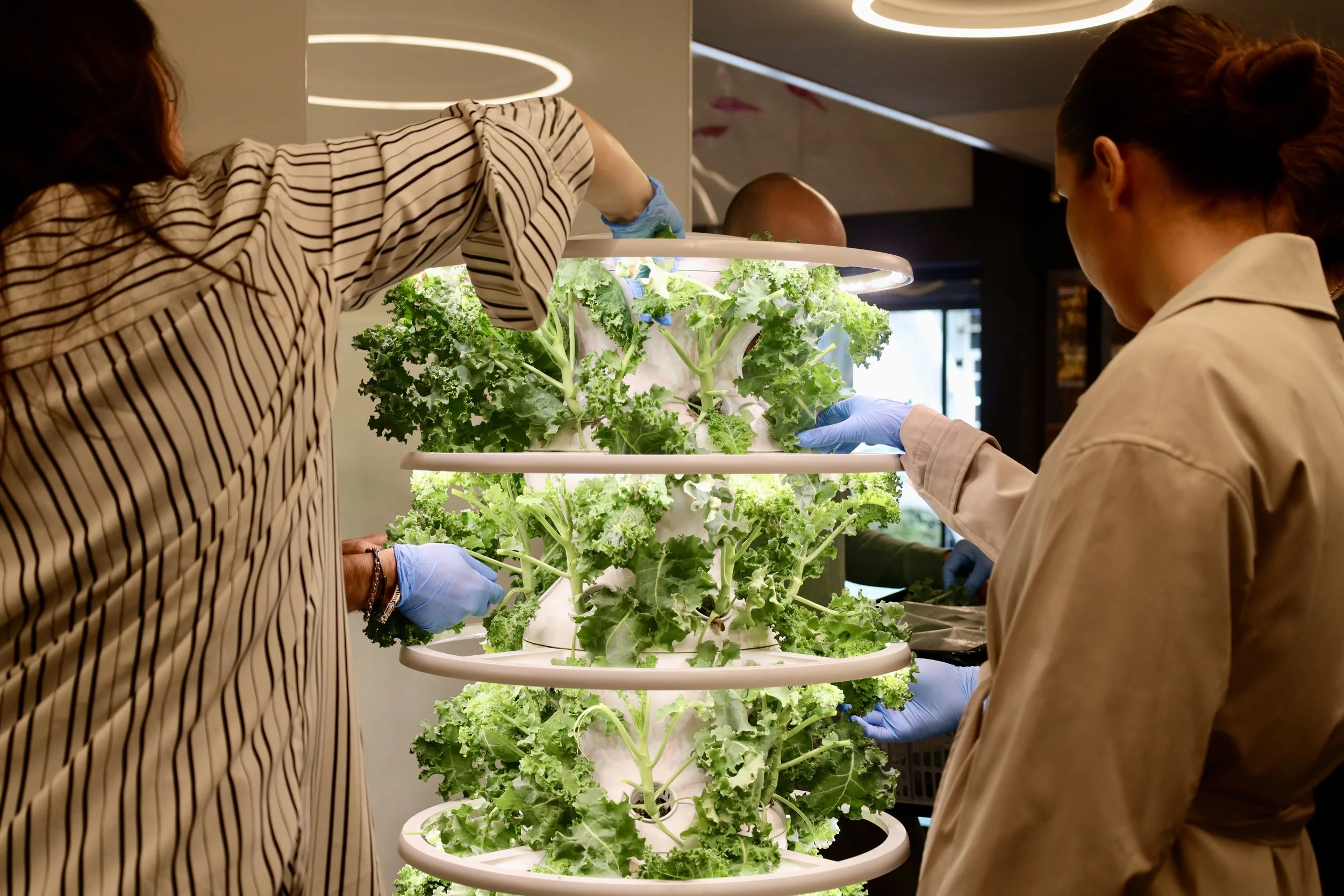
An urban garden in the office provides something that an ornamental plant cannot offer on its own: a shared process. People watch crops grow, participate in small care, and collect food within the workplace. That combination of nature, activity and result turns the space into an experience.
Why it works in a workspace
Offices need spots that facilitate quality breaks and spontaneous conversations. A visible garden creates curiosity without requiring extensive infrastructure. It can act as a welcome item, conversation starter, or activity for teams that don’t normally work together.
The key is to design it as part of the space and not as an added object. The scale, materials, lighting and location must dialogue with the architecture, circulation and identity of the company.
Benefits beyond decoration
Value is not limited to seeing green. Cultivation allows the development of well-being, food and sustainability actions with a tangible basis. A harvest workshop, an aromatics tasting or a challenge between teams generate participation and help environmental commitments translate into understandable experiences.
Team culture and sense of belonging
Caring for something in common creates a different dynamic than a meeting. The tasks are small, visible and grateful. When the program is well organized, the garden can reinforce collaboration and give people an easy way to contribute to the life of the space.

A productive garden can be integrated into common areas without losing functionality or brand identity.
Where to place a hydroponic garden in the office
Rest areas, dining rooms, entrances and multipurpose spaces are usually good candidates. It is advisable to avoid places that block the passage or make cleaning difficult. It is also important to provide for access to electricity, a water replenishment routine, and enough visibility to make the project part of the daily experience.
How to activate participation
Setting up the garden and waiting for the community to adopt it on its own is rarely enough. It works best with a light calendar: welcome to cultivation, small maintenance sessions, communication of milestones and harvest moments. Activities must adapt to the pace of the organization and require little time.
Sustainability you can count on
The garden offers a concrete narrative about nearby production, efficient use of resources and food. That story can be incorporated into tours, people programs, internal events, or corporate communications. To make it credible, it is advisable to also explain the maintenance and learning, not just show the final result.
How to choose the right system
The decision must consider the number of users, available surface, level of participation and objective of the project. The Terrace Lab works with modular solutions and accompanying programs so that the garden fits into the actual operation of the office and remains active over time.