Hospitality
Vertical gardens for hotels and restaurants: from space to experience
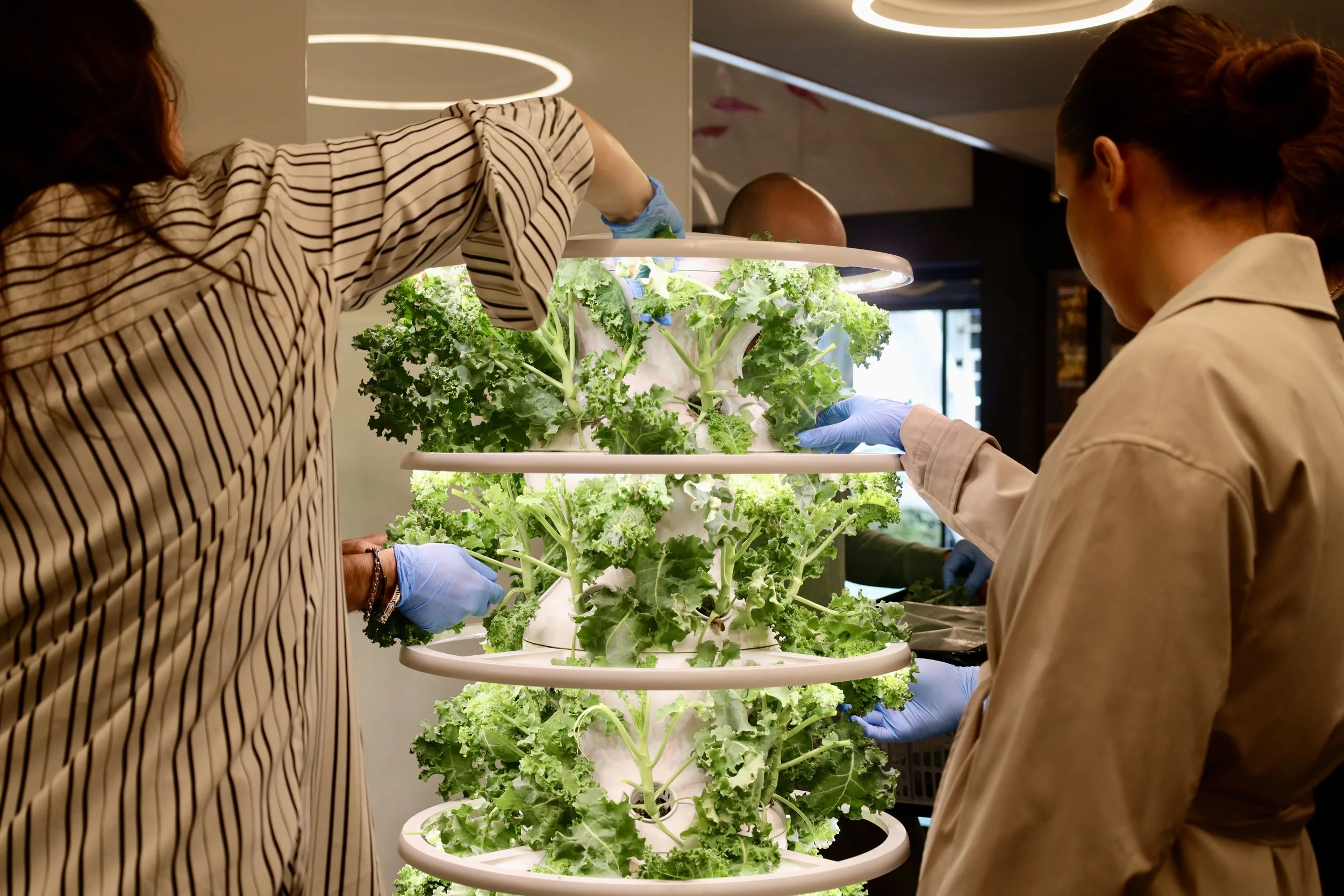
In hotels and restaurants, a vertical garden can be at the same time a source of ingredients, a piece of design and a story that the team shares with its clients. The proximity between cultivation, cooking and experience turns a few basil leaves or a freshly harvested lettuce into something that is remembered.
Local product a few meters from the kitchen
The aromatic and green leaves are especially interesting because they are used frequently and appreciate a nearby harvest. Growing them within the establishment allows you to adjust quantities, reduce times between cutting and use and show where part of the product comes from.
The goal doesn’t have to be to stock the entire kitchen. A well-sized system can focus on specific varieties that provide aroma, finish and story to certain dishes or drinks.
An element that customers understand
Sustainability is often communicated through distant data. A visible garden makes part of the commitment immediate: the guest or diner sees the plants, asks about them, and recognizes their use in the experience. That connection works best when the team knows the project and can explain it naturally.
More than a decorative installation
To generate value, the garden must be connected to the operation. It can nourish a seasonal cocktail, an activity with guests, a tasting or a special menu. The crop thus becomes living content for the establishment, not a green background that goes unnoticed.
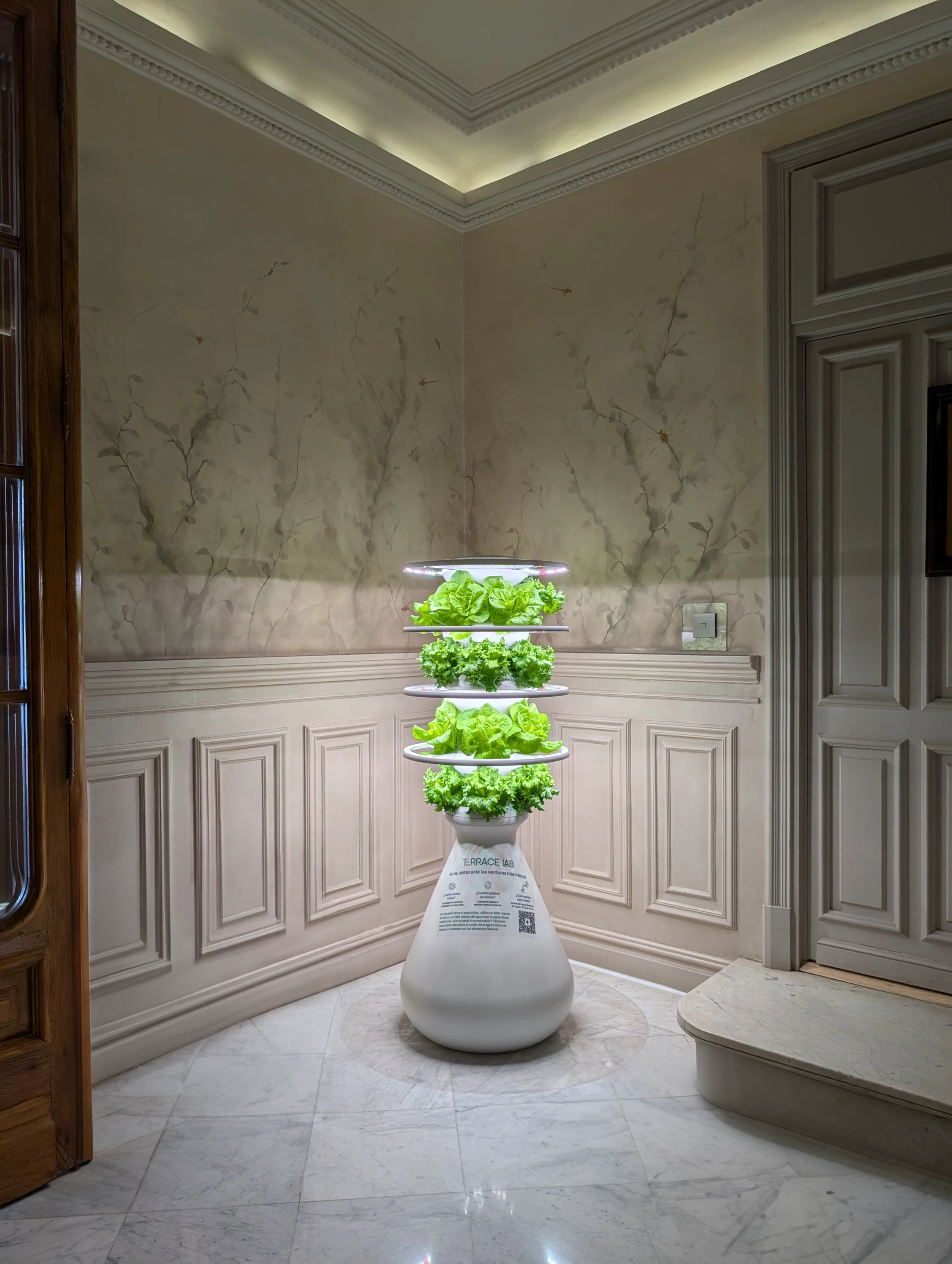
Indoor agriculture can be integrated into hospitality spaces with a careful and functional presence.
Design and integration in space
A hotel may locate the system in a lobby, breakfast area, interior courtyard, or event space. A restaurant can bring you closer to the living room, open kitchen or bar. In all cases, lighting, accessibility, circulation, temperature and ease of maintenance must be taken into account.
Operation, cleaning and responsibilities
Success depends on defining who checks the water, how harvesting is done, and what happens when staff changes. Protocols should be brief and compatible with the establishment’s routines. Technical support reduces the load on the team and maintains a consistent image of the crop.
What to cultivate in hospitality
Basil, mint, parsley, cilantro, young leaves and some varieties of lettuce usually offer good results. Selection should be coordinated with kitchen and beverage so that each plant has an intended use. Choosing a few varieties with a clear function is often better than filling the system without a harvest plan.
Design your own experience
Each establishment has a different rhythm and identity. The Terrace Lab combines design, cultivation and activation to create vertical gardens that are integrated into the brand and the service, from a first selection of species to the activities that connect the project with guests and diners.