Guides
What to grow in an indoor hydroponic garden: species and planning
Choosing what to grow in an indoor hydroponic garden is just as important as choosing the system. Not all plants grow at the same rate or need the same light or space. A realistic selection allows for frequent harvesting, keeping the garden attractive and adapting production to what is actually going to be consumed or used.
The best species to start with
Green leaves and aromatic plants are usually the easiest candidates. They have relatively short cycles, manageable roots and daily use. In addition, many allow leaves to be harvested progressively without removing the entire plant.
Lettuce and green leaves
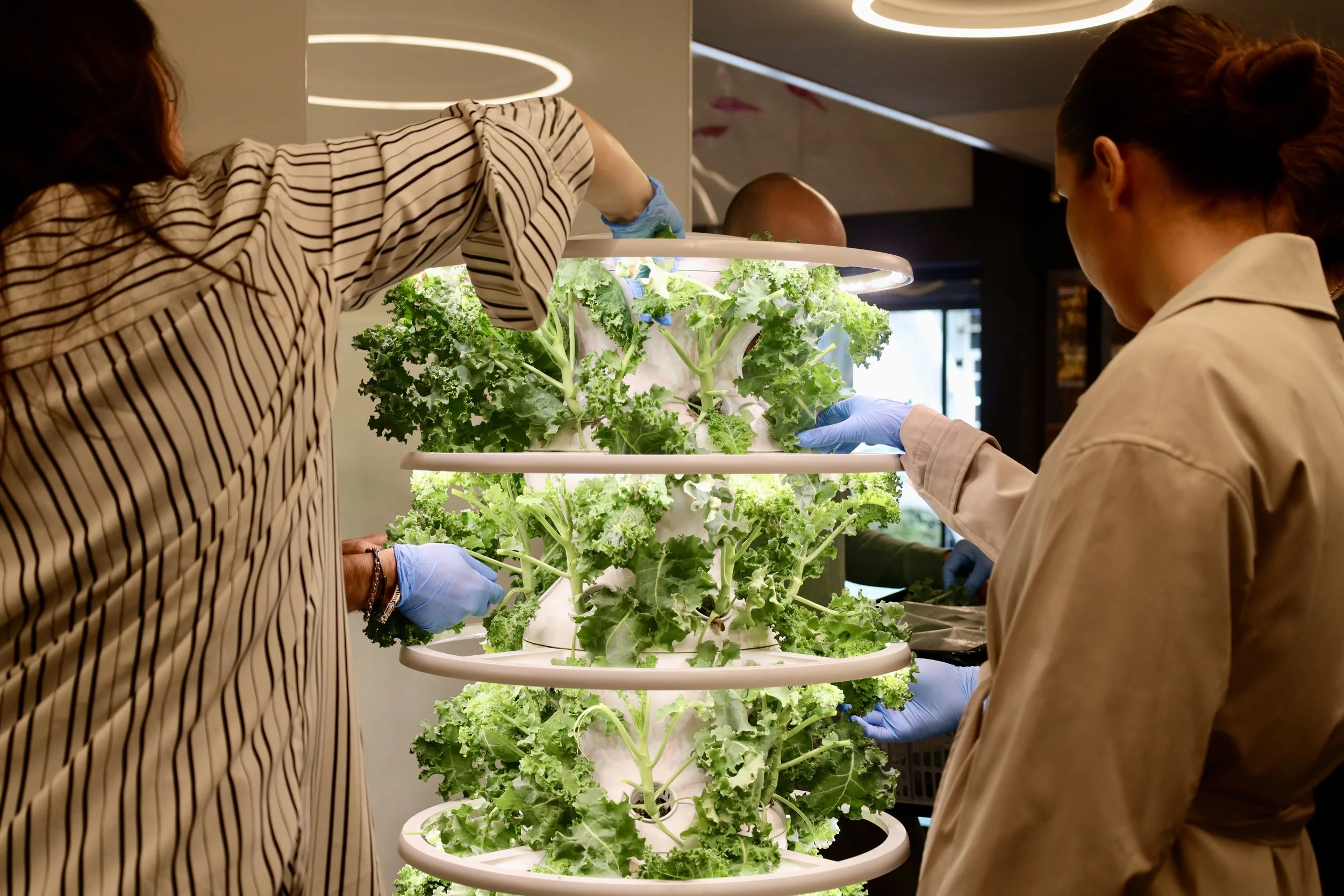
Lettuce, arugula, kale, baby chard and leafy mixes offer a variety of textures, colors and flavors. For a visible space, it is advisable to combine species with different shapes and stagger the plantings. Thus the system maintains volume while some plants are harvested and others continue to grow.
Aromatics for cooking and activities
Basil, mint, parsley, cilantro, chives and some varieties of thyme provide aroma and have uses that are easy to explain. They work well in kitchens, dining rooms, workshops and educational programs. The frequency of pruning influences their shape, so it is useful to incorporate them into a harvesting routine.
Choose according to end use
A restaurant can prioritize herbs related to its menu; a school can look for diversity to observe differences; An office can combine showy leaves with workshop species. Starting with use avoids planting varieties that no one harvests later.
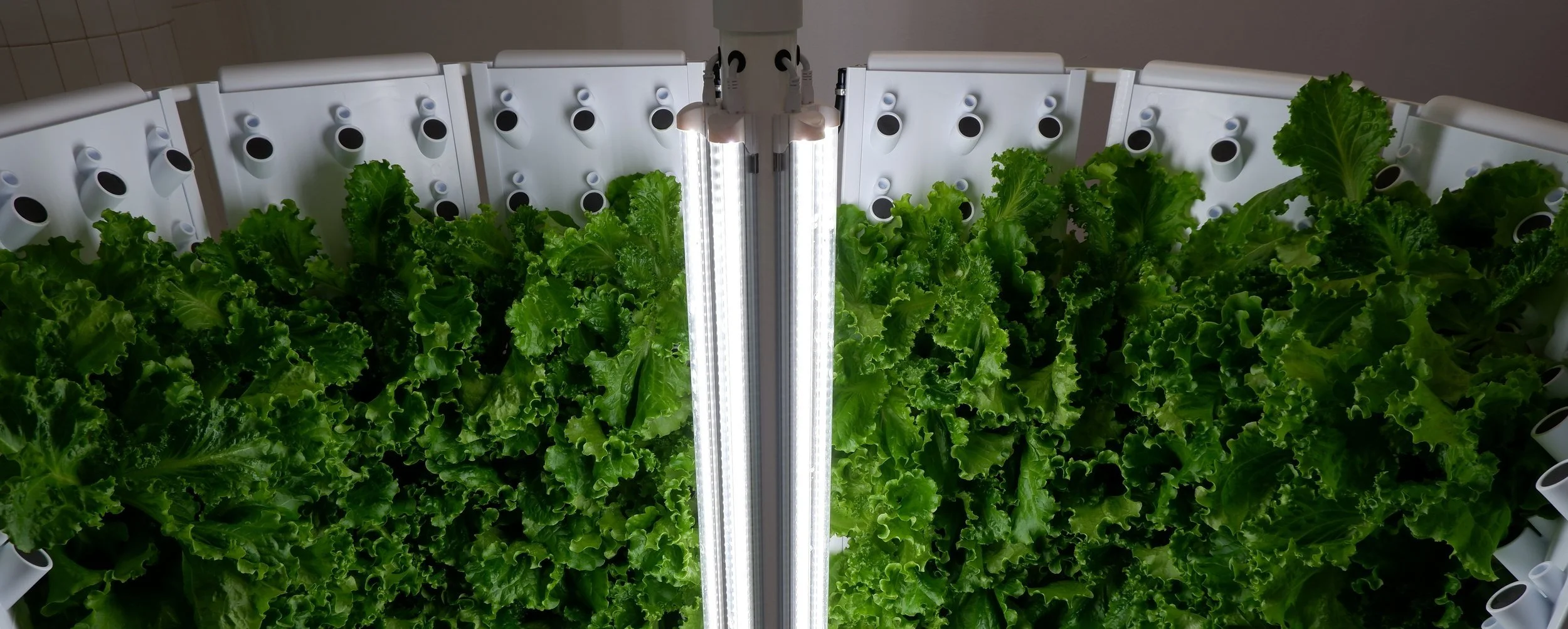
Short-cycle green leaves are one of the most appreciated options for indoor hydroponics.
Plan sowing and rotations
Planting the entire garden on the same day produces a concentrated harvest and leaves gaps at the same time. It is best to organize small batches every one to two weeks, depending on the species and conditions. This rotation generates different phases of growth and makes it easier to maintain a stable green image.
Light, temperature and space
Plants need sufficient light and a reasonably stable temperature. Large leaves can shade young specimens, while tall species take up more volume. Reviewing the distance between planting points and light intensity helps avoid competition and weak growth.
Which crops require more experience
Tomatoes, peppers, strawberries and other fruit species can be grown with hydroponics, but they usually require more light, support, space and time. They are not the best choice for all interiors. If the main objective is to obtain frequent results and easy maintenance, it is advisable to consolidate leaves and aromatics first.
Harvest so that the garden continues to grow
Cutting outer leaves, pruning aromatics judiciously and removing plants at the end of their cycle maintains the productive system. It is also important to clean the holes and prepare new seedlings. A good harvest is not the end of the crop, but the beginning of the next rotation.
A selection designed for each space
The Terrace Lab defines the species together with each organization, taking into account objectives, conditions and calendar. That planning turns the garden into a living system that looks good, is understood, and produces something useful for the community around it.